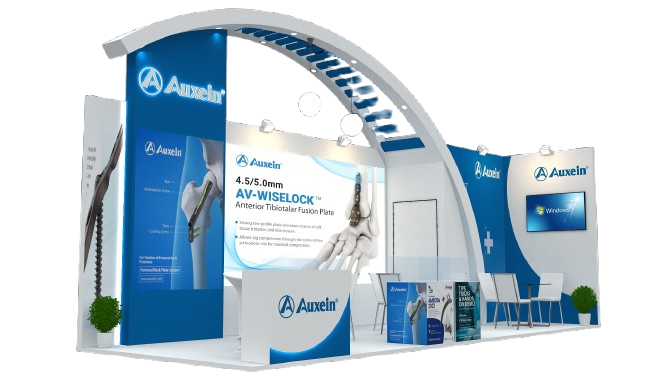

To make your exhibition stand ready on time, you need to properly plan everything. The opening date of a trade show is fixed. Your stand must designed, produced, transported and installed on the premises before its visitors arrive.
A professional exhibition stand does not come together at the last minute. There needs to be enough time allocated to each step of the exhibition stand process. This includes briefing your exhibition stand builder, approving the exhibition stand design, picking the materials for your stand, producing the exhibition stand, checking the stand graphics, transporting your stand to the venue and installing it. Early planning gives your exhibition stand builder enough time to take it through each of these steps.
Planning Your Exhibition Stand
The first step is to start your planning early. Do not leave it until the exhibition date is near. Start by confirming the event date, venue, stand size and stand location. You need to be well-versed with the rules and requirements of the exhibition organiser as these can impact on the design and construction of your stand.
Once you have this information ready, you can share it with your exhibition stand builder. Having a clear brief for the design team can enable them prepare the first concept without any unnecessary delays.
Briefing Your Stand Builder
A clear brief can save a lot of time on an exhibition stand project. Brief your exhibition stand builder about your brand, products, goals, target visitors and budget. Also explain how you want visitors to use your stand. You should also present to your stand contractor your logo, brand colours, product images, graphics, text and any other important files at the beginning of the project.
Approving Your Stand Design
Design approval is an important part of the exhibition stand process. Your stand may look completely different from how you wanted it on paper. This is why 3D stand designs are so useful. Review the design carefully when you receive it. Discuss the layout, branding, graphics, furniture, lighting, product areas, meeting spaces and storage with the design team. Share your feedback clearly with them. Try to keep all your feedback together instead of asking to make small changes over a number of days. Quick design approval helps keep the project on time.
Prepare Your Graphics and Content
Graphics are one of the key components of an exhibition stand. They can attract the attention of your target visitors and help them learn about your brand and products. The graphic design process can, however, delay the production and installation of your stand if the files are not ready.
It is important to prepare your booth design early. It is best to review your logo, product images, written content, brand colours and important messages before handing the files over for production. Make sure that all text has been proofread carefully as a spelling mistake found on the printing day can lead to extra work and cost. Approval of the final artwork should be given before the production deadline for the exhibition stand.
Exhibition Strand Construction Schedule
Once the design is approved, the exhibition stand moves to the production phase. Your exhibition stand builder needs enough time to manufacture the various components for the stand.
The production schedule for the stand can be influenced by a number of factors. This includes carpentry, metal work, graphics, lighting, furniture, flooring, storage, displays and any other features or products. Custom exhibition stands can take much longer to produce as a number of components need to be manufactured specifically for the project. A realistic production schedule can help the team work through the necessary steps in the right order. It also gives the team some extra time in case something goes wrong.
Checking Your Exhibition Stand Components
A quality check should be included in the process of preparing your exhibition stand. The various stand components need to go through a quality inspection before they head to the exhibition venue. The team can check the graphics, measurements, finishes, lighting, furniture and any other necessary features. This can help identify any problems before the stand components arrive at the exhibition hall. It is much easier to find an issue at the production stage rather than at the installation. Proper checking can therefore save time with regard to the installation schedule of your stand.
Transport and Logistics
Your exhibition stand also needs to get to the hall. This means the logistics planning should be completed well before the event. Confirm venue delivery rules, loading times, access points, storage requirements and build up schedule. Your exhibition stand contractor should understand and comply with all these requirements before your stand is sent to the venue. Good transport planning can help avoid any delays with regards to delivery. It also helps the installation team to start work when the hall is ready for build up to start.
Maintaining Simpler Communication Channels
Good communication can be the difference between a successful and unsuccessful exhibition stand project. The client, designer, production team, project manager and onsite team should share the progress being made during the exhibition stand project at each stage.
Keep important information in one place. This helps everyone work through the project in line with the same schedule. It also avoids confusion when a number of people and companies are working on the project.
Leave Some Extra Time
A good project schedule should not finish on the exact day that the exhibition opens. Your stand should be completed well before visitors arrive. Extra time will give you a chance to complete final checks. The lighting, graphics, furniture, displays, technology and branding can all be checked before the show starts. This also gives your staff time to prepare the stand. They can arrange products, brochures, samples and any other materials without working under unnecessary pressure.
Working With an Experienced Exhibition Stand Builder
Experienced exhibition stand builders can manage a lot of the project steps from a central hub. This can make life easier for exhibitors who do not have the time or experience to co-ordinate every step of the exhibition stand process themselves.
The professional exhibition stand company can help manage stand design, production, graphics, logistics, installation and onsite supervision. Getting your exhibition stand on time starts with proper planning. A good clear brief, design approval, artwork production, production planning, quality checks and transport can all help keep your exhibition project on schedule. At Blueprint Exhibits, we manage the exhibition stand process from design and production to onsite installation. Our exhibition stand builders and booth design company can be best choice for your project.