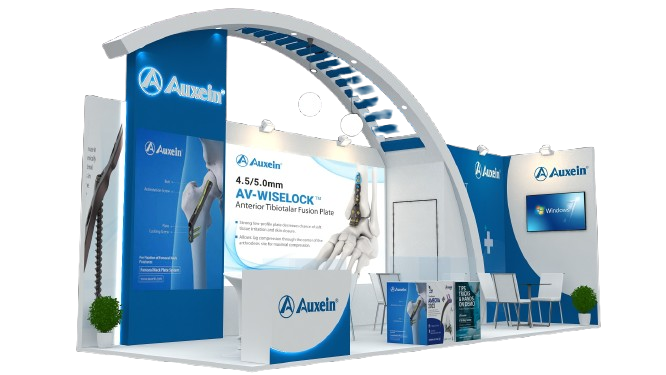

When visitors enter the event hall, they will look at your exhibition stand first. So, you should have an impressive booth structure, an illuminated logo, large display screens, and carefully arranged event areas. You need to choose an exhibition stand that encourages people to stop and interact with your brand.
However, an exhibition stand does not become an inviting space overnight; it takes lots of experience and hard work to bring these structures to life. A professional exhibition stand builder has a team of designers, project managers, fabricators, engineers, and installation professionals to bring your ideas into physical space. Actual stand construction starts weeks before the month. You need to do detailed planning, technical design, material selection, booth construction, quality checks, inspections, and manage transportation. Every booth stage requires proper coordination and attention to detail. Even a small detail can create a big problem during the final event.
So, what actually happens behind the scenes during the exhibition construction?
Understanding the exhibitor’s requirements
Before anything starts or construction begins, experienced team members of exhibition booth builders will first understand what the exhibitor actually wants to achieve at the trade show. This is where the briefing takes place. Your Exhibition Stand Construction company will understand what your company’s objectives, target audience, brand identity, and expectations from the event are. For example, a company wants to launch a product; they may need dedicated demonstration areas, or they may want to have a private meeting space.
Choose stand designers who can create 3D booth designs
Once your booth company is clear about the requirements, they can develop the right exhibition stand design for your project. 3D exhibition stand designs are the most interesting part because here you can finally see what your booth will look like after stand construction. This is a place where exhibition booth designers will work on layout, structure, branding, and visitor movement. They will ensure that our exhibition booth is designed in a way that attracts the most attention. The exhibition stand design includes a realistic preview of the proposed structure. It includes main entrance creation, a reception counter, backing walls, product display walls, and meeting and discussion areas. This is done before stand construction.
Materials selection happens before actual booth fabrication.
One of the most important activities that is done before booth construction is choosing right materials. These materials need to be checked, as they affect the appearance, durability, and overall costs of stands. The selection of construction materials depends on the project budget, approved booth design, and duration required for stand creation. For businesses that participate in multiple events, material selection is very important, as it will focus on reusability. Modular booths are helpful and can be easily created for every event.
Exhibition stand construction process
During the exhibition stand fabrication, technical drawings, materials, and product specifications are finalised. Every component is individually checked. This is a place where raw materials gradually take shape. The manufacturing team creates the entire stand from aluminum profiles to wooden structures. Once everything is ready, the team will laminate, polish, and manage the decorative details.
Managing the electrical, lighting, and audiovisual setting
An exhibition stand is more than a collection of walls and counters. Modern exhibiting spaces have digital displays, LED lighting, interactive screens, and audiovisual equipment. These features require separate planning and technical coordination. During the stand construction process, LED screens are installed, interactive touchscreens are set up, and electrical connections are checked.
Graphics and branding are prepared separately
An exhibition stand has an impressive structure, but without clear branding, it will not be able to communicate the brand’s identity. The graphic and printing teams will prepare the visual elements for exhibition stands. These elements may include the company’s logo, brand names, product images, promotional messages, large-format wall graphics, and ad information boards.
Pre-installation and quality check before stand construction
Here is something that exhibitors may forget: doing a quality check before stand installation. After managing construction problems, you need to check how different components will fit together in a controlled environment. During the process, the team will check overall structural alignment, wall and panel measurements, counter and furniture fitting, graphic positioning, and screen and audiovisual functionality. If something does not fit properly, the entire team can make corrections before dispatch. Your project manager will check the production schedule and ensure your exhibition stand is ready before transportation. A proper quality check is needed to reduce last-minute adjustments, unnecessary labor, and installation delays.
Logistics and transportation need to be carefully coordinated
After structure and quality checks, your exhibition stand needs to be packed properly and safely. However, a custom exhibition stand requires more planning, as it is not easy to load everything onto a truck. Stand components are packed together on the basis of their installation sequence and delicacy. Vehicles are arranged as per delivery slots, and boxes are labelled so that the installation team can identify them properly.
An exhibition stand is more than a simple structure, and there is a lot of work behind the booth construction process. From understanding what exhibitors need, including a 3D stand design, to choosing the right materials and handling on-site installation, everything requires proper work with attention to detail. Blueprint Exhibits is an exhibition stand construction company that can create booths with creativity and proper coordination. We manage everything with attention to detail. Our booth designers and construction team have the technical knowledge to create bespoke stand designs and manage the construction work.