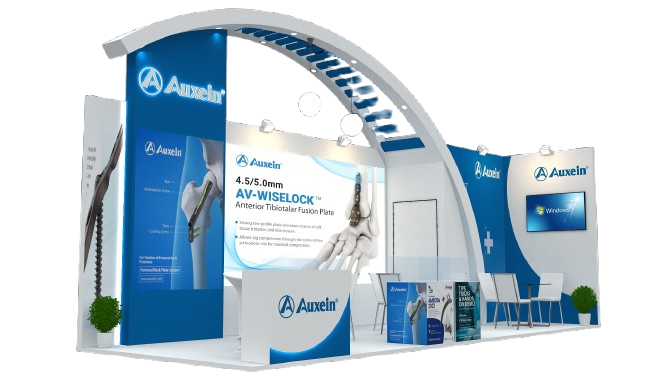

Visitors see hundreds of exhibition stands when they walk through a busy trade show. Every company wants its space to attract attention and encourage people to stop. Some exhibitors use large graphics and bold branding, while others depend on creative structures, product displays, lighting, digital screens, or interactive features. However, visitors usually don’t start by reading every piece of information on a stand. Their first impression comes from the space’s overall appearance. They notice the company name, colours, structure, main message, products, lighting, and how easy the stand looks to enter. These first few moments can influence whether someone walks past or decides to stop and learn more. A well-planned exhibition stand design should therefore be designed from the visitor’s point of view. It should make the brand easy to recognise, communicate a clear message, and give visitors a simple reason to take the next step.
The Brand Name and Logo
The company name is one of the first details visitors usually look for when approaching an exhibition stand. Clear branding helps people understand who is exhibiting and makes it easier for existing customers to find a company within a busy exhibition hall. Your logo should be placed in visible positions where it can be seen from the main aisle and, where possible, from different directions. It should not disappear behind large structures, furniture, product displays, or other design elements. At the same time, there is no need to place the logo on every available surface. Too much branding can make the stand feel crowded and reduce the impact of the main message. A well-planned custom exhibition stand design uses the logo, brand colors, graphics, and other visual elements in a balanced way so that the space feels connected to the company’s identity without looking overloaded.
The Main Message
Colour is another element that visitors can notice almost immediately. A consistent colour scheme helps people connect the exhibition stand with the company’s wider brand identity. When the colours used at the event are similar to those seen on the company’s website, packaging, brochures, and other marketing materials, the brand becomes easier to recognise. However, using too many colours can make the stand look confusing and reduce visual clarity. A controlled colour palette is usually easier to manage. Main brand colours can be used for important areas, while neutral shades can provide balance, and selected accent colours can draw attention to specific features. Your trade show booth design should use colour to strengthen the brand and guide attention rather than simply making the stand look brighter.
The Overall Shape and Structure
The physical structure of an exhibition stand can also make a strong first impression. Visitors may notice a tall branded wall, a curved feature, an open layout, a hanging sign, or another architectural element before they look at the smaller details. A distinctive structure can help a company become more visible in a crowded exhibition hall, but it should have a practical reason behind it. A large feature may be used to display branding, create a focal point, highlight a product, guide visitors towards an entrance, or make the company easier to identify from a distance. The structure should support the visitor experience instead of becoming an obstacle. An experienced exhibition stand builder and booth design company can help use the available floor area to create a stand that looks distinctive while still providing practical spaces for products, meetings, demonstrations, and visitor movement.
Product Displays
For many exhibitors, products are the main reason for attending a trade show, which means visitors will naturally look for them when they approach the stand. Products should be displayed clearly and positioned where they can be seen without difficulty. Important products and new launches can be given prominent positions, while products that need demonstrations should have enough space around them for visitors and staff to interact comfortably. The type of product should also influence the way it is presented. A premium product may need a clean and carefully designed display that supports its positioning, while a technical product may require screens, graphics, samples, or live demonstrations to explain how it works. The display should not simply show the product. It should help visitors understand why the product matters and encourage them to begin a conversation with the team.
Lighting
Lighting can have a significant effect on what visitors notice when they first approach an exhibition stand. It can bring attention to a product, logo, graphic, reception counter, meeting area, or architectural feature while also changing the overall atmosphere of the space. Focused lighting can be used where you want visitors to look first, such as around a new product or an important brand message. General lighting can then help maintain a comfortable and welcoming environment across the rest of the stand. Lighting should be considered during exhibition booth design rather than being added as an afterthought. When planned together with the structure, graphics, products, and visitor pathways, lighting can guide attention naturally and make important parts of the stand easier to notice.
Open Space and Easy Access
Visitors often make an early judgement about whether a stand looks easy to enter. An open entrance can make the space feel welcoming, while a crowded entrance may make people hesitate before stepping inside. Large furniture, unnecessary structures, or displays placed directly at the entrance can create a physical and visual barrier. Visitors should be able to see what is happening inside the stand before they enter and should have enough space to move around once they are there. The layout should create a natural journey from one area to another, with the reception, product displays, demonstration zones, meeting areas, and other features arranged in a logical way. When visitors can understand the space without having to work out where to go, the stand becomes easier and more comfortable to explore.
Digital Displays
Moving content on digital screens can quickly attract the eye in a busy exhibition hall. Screens can be used to show product videos, demonstrations, animations, customer stories, or other information that supports the company’s message. However, the presence of a large screen does not automatically make an exhibition stand more effective. The content needs to be connected to the product or service being promoted. A screen showing unrelated or unclear information may attract attention for a moment without creating genuine interest in the business. Digital features should therefore have a clear purpose. When technology is planned carefully as part of the wider exhibition display solutions, it can help explain complex products, answer common questions, and give visitors another way to interact with the brand.
The People Working at the Stand
The people working on an exhibition stand are also part of the visitor experience. After noticing the physical design, visitors may look at the staff to decide whether the space feels welcoming. Team members should be approachable, prepared to answer questions, and familiar with the products and key messages being presented. Staff should also avoid blocking entrances or standing together in a way that makes visitors feel uncomfortable about entering the stand. A well-designed exhibition stand design can attract attention, but the people working there are responsible for turning that attention into a useful conversation. The stand design and the exhibition team should therefore work together. One creates the opportunity to stop, while the other helps develop that first interaction into a meaningful business discussion.
Cleanliness and Organisation
A clean and organised exhibition stand can make a big difference to the first impression visitors receive. Trade shows can become busy very quickly, and visible bags, packaging, cables, brochures, or personal belongings can make even a well-designed stand appear untidy. This is why storage should be considered during the initial design stage rather than being treated as an extra feature. Hidden cabinets, counters, cupboards, or dedicated storage areas can keep supplies out of sight while allowing the team to keep the visitor-facing areas clean. Product displays should also be checked regularly during the event. A stand needs to maintain its appearance throughout the exhibition day, not only during the first few minutes after the doors open.
Interactive Features
Interactive elements can give visitors another reason to stop and explore a stand. A live product demonstration, touchscreen, sample area, digital configurator, or interactive presentation can create curiosity and encourage people to spend more time with the brand. These features can be particularly helpful when a product or service is difficult to explain through static graphics alone. The objective should be to help visitors understand the product, discover useful information, or begin a conversation with the exhibition team. An interactive feature that does not support the main message can become a distraction rather than an advantage. The strongest approach is to connect the feature directly with the visitor’s needs and the purpose of the exhibition.
Your Stand Location Also Matters
The location of the exhibition stand can influence what visitors notice first. A corner stand may be visible from two aisles, while an island stand can attract people from several directions. A stand surrounded by other exhibitors may need stronger branding at a higher level so that the company can remain visible above the surrounding displays. This means the design should always be developed around the actual position of the stand rather than treating every exhibition space in the same way. Your custom trade show booth should take into account the available floor area, open sides, neighboring exhibitors, main visitor routes, and the expected direction from which people will approach. A design that works well in one location may need to be adjusted for another event.
Why Quality Matters
The quality of the finished stand also contributes to the impression visitors receive. During exhibition stand fabrication, materials, graphics, furniture, lighting, structural components, and other elements need to be produced with care. Even a strong design can lose its impact if the final finish does not meet the expected standard. Once the stand reaches the venue, exhibition stand construction should follow the approved design and the event’s installation requirements. Damaged graphics, poor finishes, loose components, unfinished areas, or incorrectly installed features can affect the way visitors perceive the company. This is why working with an experienced exhibition stand contractor can be an important part of the planning process. Good coordination between design, production, transportation, installation, and final inspection helps ensure that the finished space reflects the original concept.
Turn the First Impression Into a Conversation
Visitors may notice the company name first, followed by the main message, colors, products, lighting, structure, or digital features. However, attracting attention is only the beginning. The real purpose of an exhibition stand is to turn that first moment of interest into engagement. Visitors should be able to understand what your company offers and see a clear next step. They may want to explore a product, watch a demonstration, ask a question, speak with a member of the team, or move into a meeting area. Every part of the stand should support this journey. When the design, message, products, technology, staff, and layout work together, the stand can create a smoother experience from the first glance to the final conversation.
Why Choose Blueprint Exhibits?
Blueprint Exhibits designs and constructs exhibition stands for worldwide companies exhibiting in different trade shows. Our exhibition stand builders and booth design company follow a booth manufacturing process. The process starts with the client brief and moves through 3D design, feedback, production, quality checks, installation, and on-site supervision. We have in-house manufacturing units where we create, design, install, dismantle, and store trade show booths. With more than two decades of experience in exhibition stand design and construction, Blueprint Exhibits focuses on creating brand-specific exhibition stand designs that combine visual appeal with practical use.
If you want an exhibition stand that catches attention from the aisle while giving visitors a clear reason to stop, explore, and start a conversation, Blueprint Exhibits can manage the project from the initial concept through design, production, and construction.