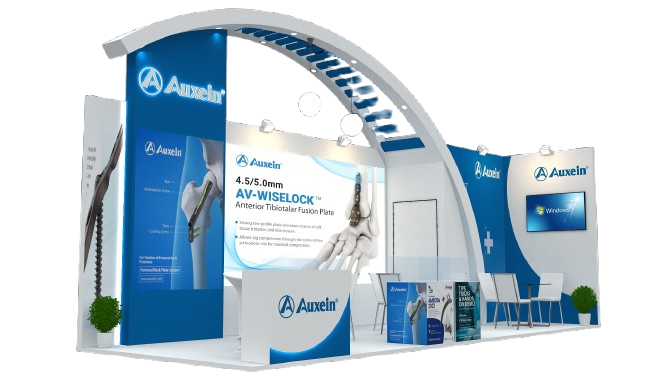
Designing an exhibition stand is an important part of preparing for a successful trade show. Your stand is much more than a space where products are placed. It is where visitors first experience your brand, learn about your products or services, speak with your team, and decide whether they want to know more about your business. A well-planned exhibition stand design can help you create a strong first impression while giving your team a comfortable space to work and meet potential customers.
There are many things to think about before an exhibition stand goes into production. The available space, stand layout, branding, lighting, graphics, furniture, storage, technology, visitor movement, and product displays all need careful attention. When these elements are planned together, the final stand can look attractive without losing its practical purpose. Good planning also makes it easier for your team to use the stand throughout the exhibition.
Start With a Clear Exhibition Goal
Before thinking about colours, graphics, furniture, or special features, decide what you want your exhibition stand to achieve. Every exhibitor can have a different reason for attending a trade show. One company may want to generate new leads, while another may want to launch a product, meet existing customers, improve brand awareness, or build new business relationships. Your exhibition booth design should reflect the purpose behind your participation.
For example, a company that wants to demonstrate its products will need enough open space for demonstrations. A business that expects long discussions with customers may need comfortable seating and private meeting rooms. A company introducing a new product may want to give that product a prominent position. Before starting custom exhibition stand design, think about what you want visitors to do after they enter the stand. This simple step gives the design team a much clearer direction.
Understand the People You Want to Attract
An exhibition stand should be designed around its visitors as well as the brand. Think about the people who are likely to attend the event and what they expect to find there. Their professional roles, interests, needs, and reasons for visiting the exhibition can all influence the way information should be presented.
A technical audience may want detailed product information, demonstrations, and technical explanations. A wider business audience may prefer a simple message that quickly explains what the company offers and how it can help. Understanding your target visitors also helps you decide how much information should appear on the stand and how the different areas should be arranged. The goal is to make relevant visitors quickly understand that your company has something useful for them.
Consider the Stand Location and Available Space
The location and size of your stand can have a direct effect on the final design. A stand close to a main entrance may receive a high amount of visitor traffic. A corner stand normally has two open sides, while an island stand can allow visitors to approach from several directions. If your stand is surrounded by other exhibitors, stronger visual branding may be needed to help it stand out from the surrounding displays.
The available space must also accommodate everything your team needs during the event. This may include reception areas, product displays, meeting spaces, storage, screens, demonstration zones, and staff areas. A professional exhibition stand builder can help arrange these elements according to the available floor area. The aim is to make good use of every part of the stand while still leaving enough open space for visitors to move comfortably.
Make Your Brand Easy to Recognise
Your exhibition stand should give visitors a clear idea of who you are. Your logo, colours, fonts, images, and main brand messages should work together so that people can recognise your company even when they are viewing the stand from a distance. Strong branding is important, but using too many logos or messages can make the space look crowded.
Instead of placing branding everywhere, focus on the areas that naturally attract attention. The main fascia, reception counter, product displays, wall graphics, and important visual areas can carry your key brand elements. Your trade show booth design should make the company name and main message easy to notice without making the stand difficult to understand.
Keep Your Main Message Simple
Trade show visitors often have only a short amount of time to decide whether a stand is relevant to them. They may pass your stand while looking at several other exhibitors, so your main message needs to communicate quickly and clearly. Avoid trying to explain everything about your company on the walls.
A strong headline can attract attention from the aisle, while smaller supporting text can provide additional information once visitors come closer. Clear language and strong visuals can often communicate more effectively than large blocks of text. Your stand should make it easy for visitors to understand what you do and why they should start a conversation with your team.
Plan Visitor Movement Carefully
Visitor movement should be considered from the beginning of the design process. People should be able to enter your stand, explore the displays, speak with staff, and move towards meeting or demonstration areas without feeling blocked. A well-planned layout creates natural routes between reception areas, product displays, meeting spaces, and interactive zones.
Large furniture or structures should not be placed where they can create unnecessary congestion. Think about what visitors will see when they first approach your stand. Important branding and key products should be visible from the main aisle whenever possible. Good exhibition booth design considers the entire visitor journey, beginning with the first glance and continuing through the conversation with your team.
Give Important Products the Right Position
Your products should have enough space to attract attention. Start by deciding which products or services are most important for the event. New launches and popular products can be given more visible positions so visitors can find them easily. At the same time, displays should leave enough room for people to approach, explore, and speak with staff without blocking other visitors.
If a product needs a live demonstration, allow enough room for both staff and visitors. The display itself should also match the quality and character of your brand. A carefully presented product can create a stronger impression than a display that feels crowded or poorly organised.
Create Comfortable and Useful Meeting Areas
Trade shows are not only about showing products. They are also valuable opportunities for business discussions. Your stand should therefore include suitable areas where your team can speak with visitors comfortably. The right type of meeting space depends on your business and the kind of conversations you expect during the event.
Some companies may only need open seating for short conversations, while others may require enclosed rooms for longer or more private meetings. Meeting areas should be comfortable without taking up so much floor space that they hide your main displays. Furniture should also work with the overall stand design and provide enough comfort for both staff and visitors.
Use Lighting to Support the Design
Lighting can have a major effect on how an exhibition stand looks and feels. It can make products easier to see and bring attention to important graphics, logos, counters, and display areas. Different sections of the stand may need different types or levels of lighting depending on their purpose.
For example, product displays may benefit from focused lighting, while meeting areas may work better with softer lighting. Lighting should be planned during the design stage rather than treated as a final addition. When lighting works together with the stand structure and graphics, it can help create a more balanced and welcoming environment.
Select Materials That Suit Your Requirements
The materials used for your exhibition stand affect its appearance, performance, transportation, and possible future use. The right choice will depend on factors such as the design, event requirements, available budget, transportation needs, and whether the stand will be reused for other exhibitions.
Companies that attend several trade shows may benefit from reusable or adaptable structures. Some brands may require high-quality finishes to match their image, while others may prefer lightweight and practical materials that can be transported and installed more easily. During exhibition stand fabrication, material choices should therefore be made with both visual quality and practical use in mind.
Plan Storage From the Beginning
Storage is one of those details that can easily be forgotten during the design stage. However, your team may need space for brochures, bags, product samples, packaging, personal belongings, cleaning materials, and other supplies. Without proper storage, these items can quickly appear behind counters or in visitor-facing areas, making the stand look untidy.
Use Technology With a Clear Purpose
Technology can make an exhibition stand more interactive when it is used for a clear reason. Screens can explain products, touchscreens can give visitors access to additional information, and interactive displays can encourage people to explore your products or services.
However, adding technology simply because it looks modern may not improve the visitor experience. Before including a screen or interactive feature, decide what visitors will learn or do with it. Equipment should also be positioned carefully so that people can use it without blocking walkways. Technology should support the main message of the stand rather than become the main distraction.
Decide Between Custom and Modular Stand Design
The choice between a custom and modular exhibition stand depends on your business, event schedule, available space, and future exhibition plans. A custom trade show booth gives you greater freedom to create a design around your brand, products, objectives, meeting requirements, and special features. This can be useful when you want a unique structure that reflects your company in a specific way.
A modular exhibition stand can be a practical option for companies that participate in several events. Modular trade show booths can often be adjusted to suit different booth sizes and reused at future exhibitions. Before choosing an approach, consider how frequently you exhibit, how many locations you attend, and whether parts of the stand can be reused. The right solution should work for the current event while also supporting your longer-term exhibition plans.
Review the 3D Design Before Production
A 3D exhibition stand design gives you an opportunity to understand how the finished exhibition space may look before production begins. It is important to review the design carefully rather than approving it without checking the details. Look at the branding, graphics, product positions, furniture, lighting, storage, meeting spaces, and visitor pathways.
View the design from different angles and consider how it will appear to someone walking along the aisle. Check whether your company name can be seen clearly and whether important products are hidden behind structures. Making changes at this stage is generally easier than making them after production has started. A clear feedback and approval process can also reduce misunderstandings between the client and the design team.
Work With an Experienced Exhibition Stand Contractor
Good trade show booth design needs to be supported by careful production and installation. An experienced exhibition stand contractor can coordinate different parts of the project, including design, production, transportation, installation, and dismantling. This can be especially important because exhibition projects usually operate under strict deadlines.
Your stand must be ready before the exhibition opens, so every stage needs proper planning. The contractor should also understand venue rules, technical requirements, installation schedules, and other event conditions. Regular communication between the client and stand team can help reduce problems and keep the project moving towards the final installation.
Maintain Quality During Fabrication and Construction
The finished stand should represent the approved design as closely as possible. During exhibition stand fabrication, important elements such as graphics, structural components, lighting, furniture, and finishes should be checked carefully. The quality of the materials and workmanship can influence how visitors view your company and its products.
Once the stand reaches the venue, exhibition stand construction needs to be completed according to the event schedule. Every part of the display, from the structure and graphics to lighting, technology, furniture, and product displays, should be installed correctly. A final inspection before the exhibition opens gives the team an opportunity to identify and resolve any remaining issues.
Consider Sustainability in Your Stand Design
Sustainability is becoming an important consideration for many exhibitors. If your business has sustainability goals, the exhibition stand can support them through reusable structures, adaptable layouts, recyclable materials, and graphics that can be reused where practical.
A modular trade show booth can also reduce the need to create a completely new stand for every event. This can make parts of the stand useful across several exhibitions. At the same time, sustainable choices should still meet the practical requirements of the event and provide the functionality your team and visitors need.
Plan the Budget From the Start
Budget planning should begin at the early stages of exhibition stand design. The overall cost can include design, materials, fabrication, graphics, furniture, lighting, technology, transportation, installation, and dismantling. Having a clear understanding of these costs can help you make better decisions before production starts.
Start by deciding which features are most important for achieving your exhibition goals. This allows you to focus your budget on the elements that matter most. An experienced stand partner can also explain how different design features, materials, structures, and services may affect the final project cost.
Do Not Ignore Practical Details
A stand can look impressive in a 3D presentation and still have practical problems when it is built. Before approving the final design, check whether there is enough storage, working space, power access, technical connections, lighting, and comfortable visitor movement. Venue rules and technical requirements should also be checked before construction begins.
These details may not be the first things visitors notice, but they can strongly affect how smoothly the stand works during the exhibition. Your staff needs enough space to work, visitors need clear routes through the stand, and equipment needs to be placed where it can be used safely and comfortably.
Choose Blueprint Exhibits for Your Exhibition Stand
Blueprint Exhibits is an exhibition stand design company offering services for companies exhibiting in Europe and worldwide. The process begins with the client brief, followed by a 3D stand concept that allows the client to understand the proposed design before production. The design can then be refined according to feedback and approved before manufacturing begins.
Blueprint Exhibits manages important stages of the exhibition project, including design, manufacturing, quality checks, installation, and on-site supervision. Our exhibition stand design company also provides custom and modular stand solutions for different exhibition requirements. If you are looking for an experienced exhibition stand builder to turn your brand ideas and exhibition goals into a practical space, Blueprint Exhibits can help manage the project from the first concept through to completion. The focus is on creating exhibition spaces that are clear, functional, visually engaging, and suitable for meaningful conversations with visitors.